How to Prepare an STL File for 3D Printing: A Practical Checklist
Avoid common STL and model problems before requesting a 3D printing quote or starting a print.
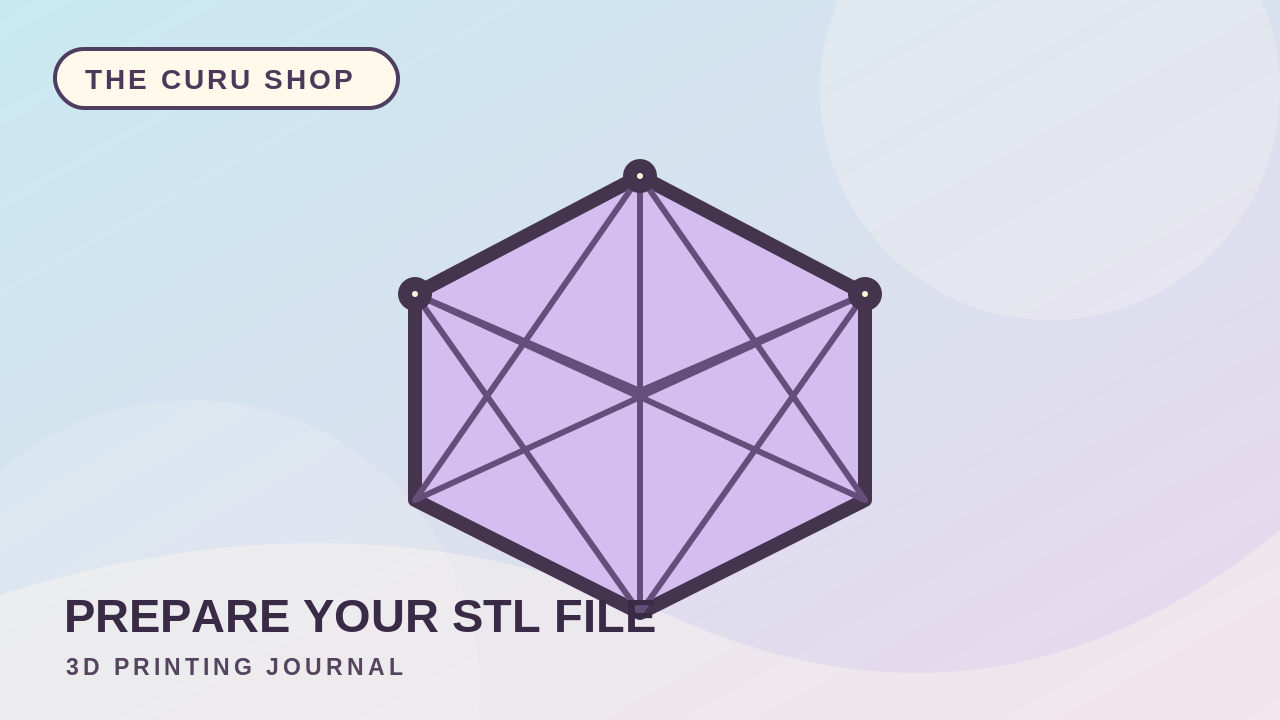
An STL is geometry, not a finished print plan
STL files describe a surface using triangles. They do not reliably carry the intended units, colour, material settings, or assembly instructions. That is why a successful upload is not proof that a design is ready to manufacture. Check the mesh and the real-world dimensions before approving a job.
Check size and units first
Open the model in your preferred design software or slicer and verify its bounding dimensions. Millimetres are common in 3D printing, but an STL exported from software configured in inches may be interpreted incorrectly. For parts that connect, measure the mating component and allow for realistic printing tolerance.
Make the geometry printable
A watertight, manifold mesh usually provides the best starting point. Look for holes, reversed faces, duplicated shells, self-intersections, impossibly thin walls, and free-floating details. Software can repair many problems, but automated fixes may unintentionally alter important dimensions.
Plan overhangs, holes and orientation
Printers build layers in a specific direction. Large overhangs can need support material, and the supported surface may look different after cleanup. Positioning changes strength, visible layer lines, and support scars. Holes printed horizontally often behave differently from holes printed vertically, so critical fits deserve testing.
Information to send with a quote
- STL or 3MF file with clearly identified dimensions
- Intended purpose and approximate loading
- Required material or preferred finish and colour
- Quantity and target delivery expectations
- Any threaded inserts, assembly or finishing needed
- Confirmation that you have permission to manufacture the design
Avoid unnecessary rework
If you are unsure whether a mesh is valid, describe the intended function rather than guessing a print setting. A simple drawing with dimensions and photos of any mating part can make a big difference. The goal is to confirm the object you need, not merely to print a file that opens.